EV news, grounded in evidence
Battery health, real-world range, buying guidance and market signal — plain explanations for people making expensive EV decisions.

ClearWatt partners with the BVRLA to build confidence in used EVs
ClearWatt is a data partner for EV Retail Ready, giving independent dealers the EV Explorer to answer customer questions on batteries, charging and range.
Read article
How ClearWatt fits together
ClearWatt is being adopted across more of the EV market than ever before, from drivers using our app and trusted consumer platforms, to dealer groups, marketplaces and specialist battery businesses. Although battery health remains central to what we do, the broader mission has always been to turn complex EV data into clear, trusted evidence that helps people understand, value, buy, sell, manage and redeploy electric vehicles with greater confidence. Different parts of the market may access ClearWatt in different ways, but the need is consistent: better EV decisions, backed by better evidence.
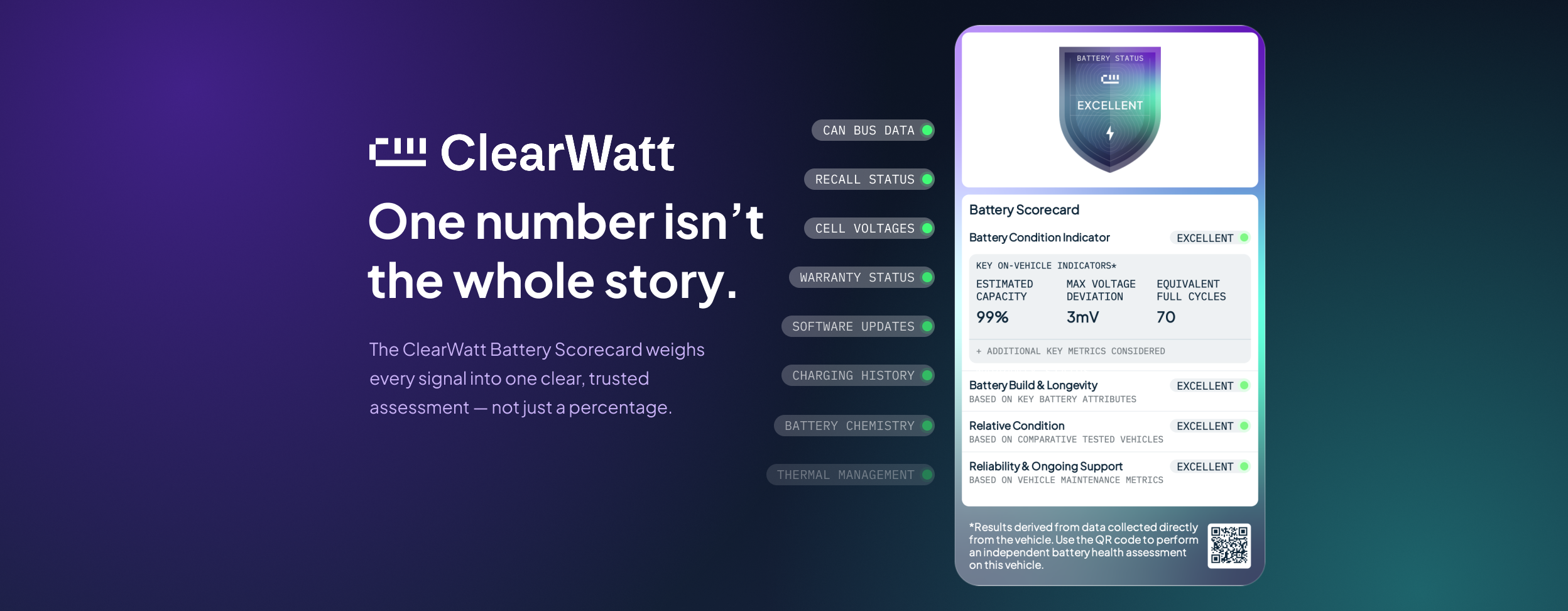
The ClearWatt Battery Scorecard: A unified framework for EV battery assessments
A practical explanation of why EV battery health should be assessed through a broader scorecard, not reduced to a single percentage, and how ClearWatt combines multiple data sources to give buyers, retailers and fleets a clearer view of battery condition.

Financing EVs
A simple guide to leasing, PCP, HP, loans, and grants — everything you need to know to finance your next electric car.

The Ultimate Guide to EV Servicing
Learn how often to service your EV, what parts need checking, and where to get manufacturer-approved maintenance without voiding your warranty.

London Congestion Charge: Electric Vehicles’ 100% Exemption Ends December 2025
Electric car drivers in London have long benefited from a full exemption from the Congestion Charge via the Cleaner Vehicle Discount (CVD), but this will end on 25 December 2025. From that date all vehicles, including battery-electric and hydrogen models, will be required to pay the daily charge when driving in the central zone during chargeable hours. As part of its strategy to reduce vehicle congestion, Transport for London plans to introduce a new tiered discount system from 2 January 2026, where electric cars may receive a 25% discount and electric vans/HGVs 50%, while the standard daily fee increases to £18. The exemption for fully electric vehicles under the ULEZ remains unaffected.

OVO launches UK’s first EV charging subscription – with ClearWatt built in
OVO has unveiled the UK’s first subscription for home and public EV charging, and ClearWatt is proud to be part of it. Through the new Premium plan, drivers not only get simple, predictable charging from OVO, but also access to ClearWatt’s self-service battery health testing and EV performance insights - bringing transparency, confidence, and affordability to everyday electric driving.
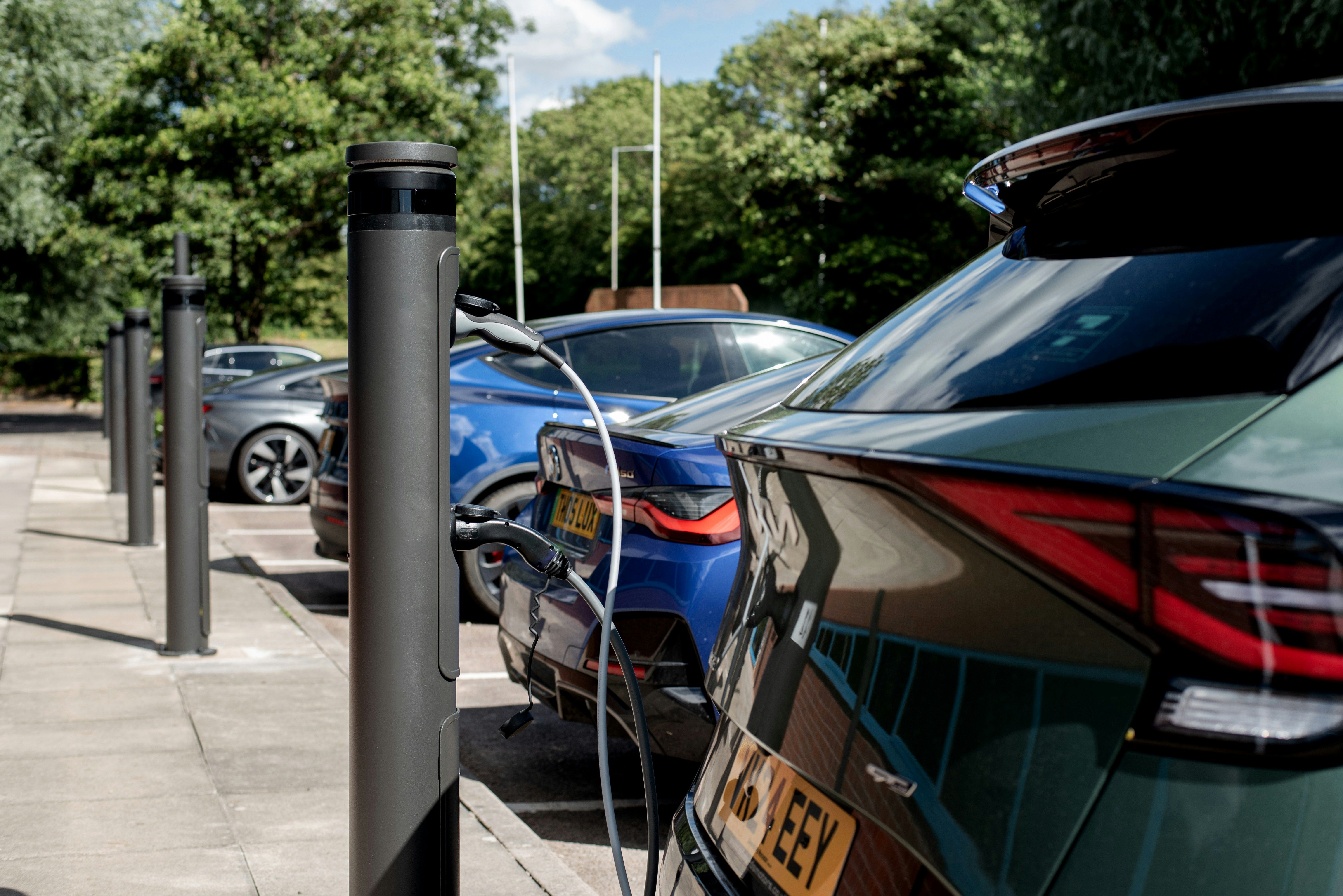
Why You Never Get the Full Charging Speed from a Public DC Charger And What Really Controls It?
When you pull up to a public DC fast charger and see it’s offering 150 kW, 250 kW or even 350 kW, it’s only natural to expect your electric car to charge at, or at least close to those speeds. But more often than not, the numbers on your dashboard fall short of the charger’s headline rate. Why? The answer is surprisingly simple: it’s your car not the charger that controls how fast you charge.

Diving into WLTP
WLTP (Worldwide Harmonised Light Vehicles Test Procedure) is the standard used across the UK and Europe to estimate a vehicle’s range, but its results often differ from real life experience of EV drivers. That’s because the WLTP test is conducted in ideal lab conditions that don’t reflect real-world driving scenarios such as cold weather, hilly roads, or use of climate control. For example, while the 2020 Jaguar I-Pace EV400 has an official WLTP range of 292 miles, ClearWatt's real-world modelling shows this figure drops to around 220 miles, largely due to factors like lower temperatures, the use of heat or air conditioning, and everyday driving patterns. While petrol and diesel cars also see inflated official figures, they receive far less attention in comparison to EVs due to quick refuelling and minimal performance drop in winter. Electric vehicles, however, are more sensitive to conditions, making accurate range data crucial for everyday planning.
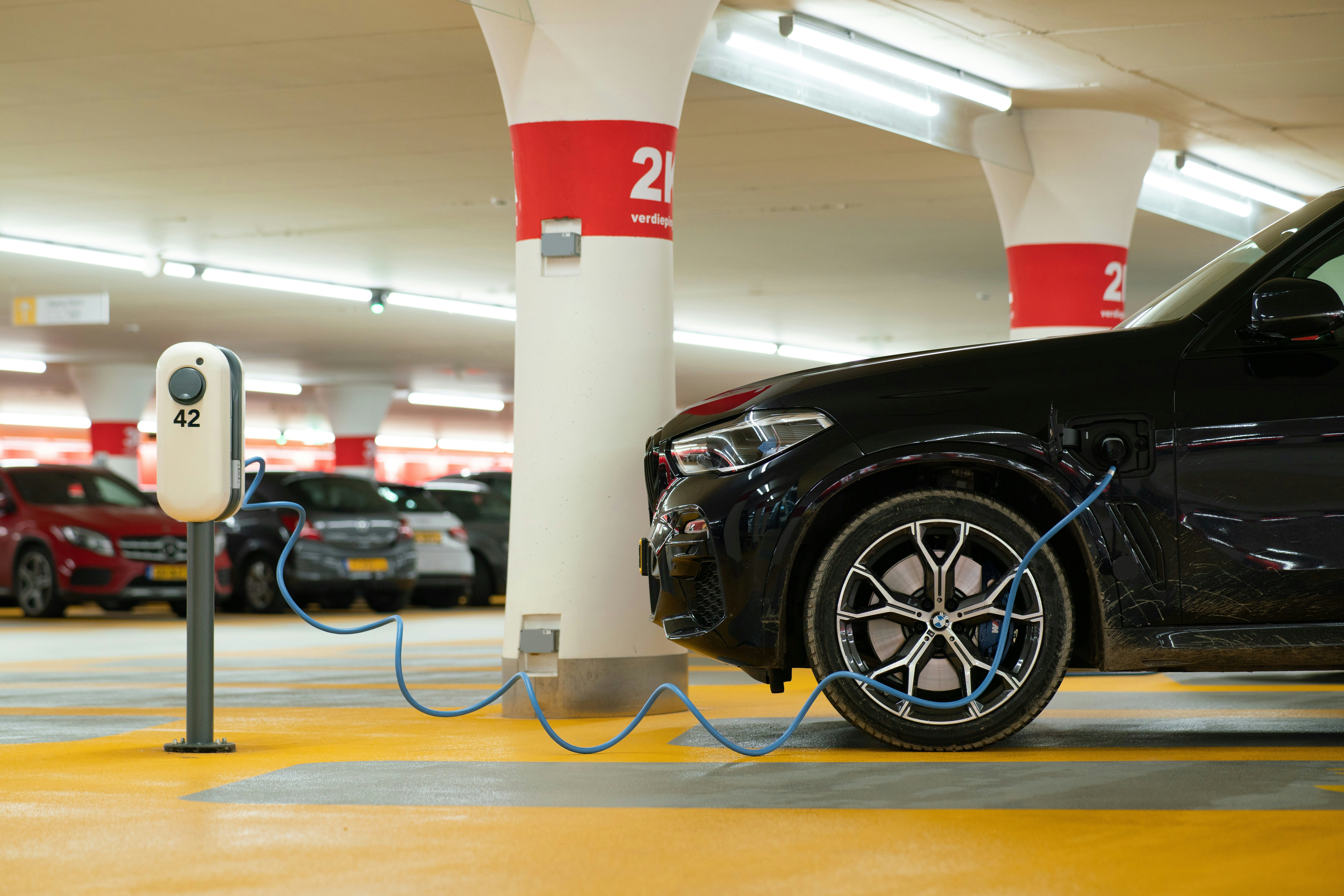
EVA England and ClearWatt Partnership-Time For More Transparency in the UK Used EV Market
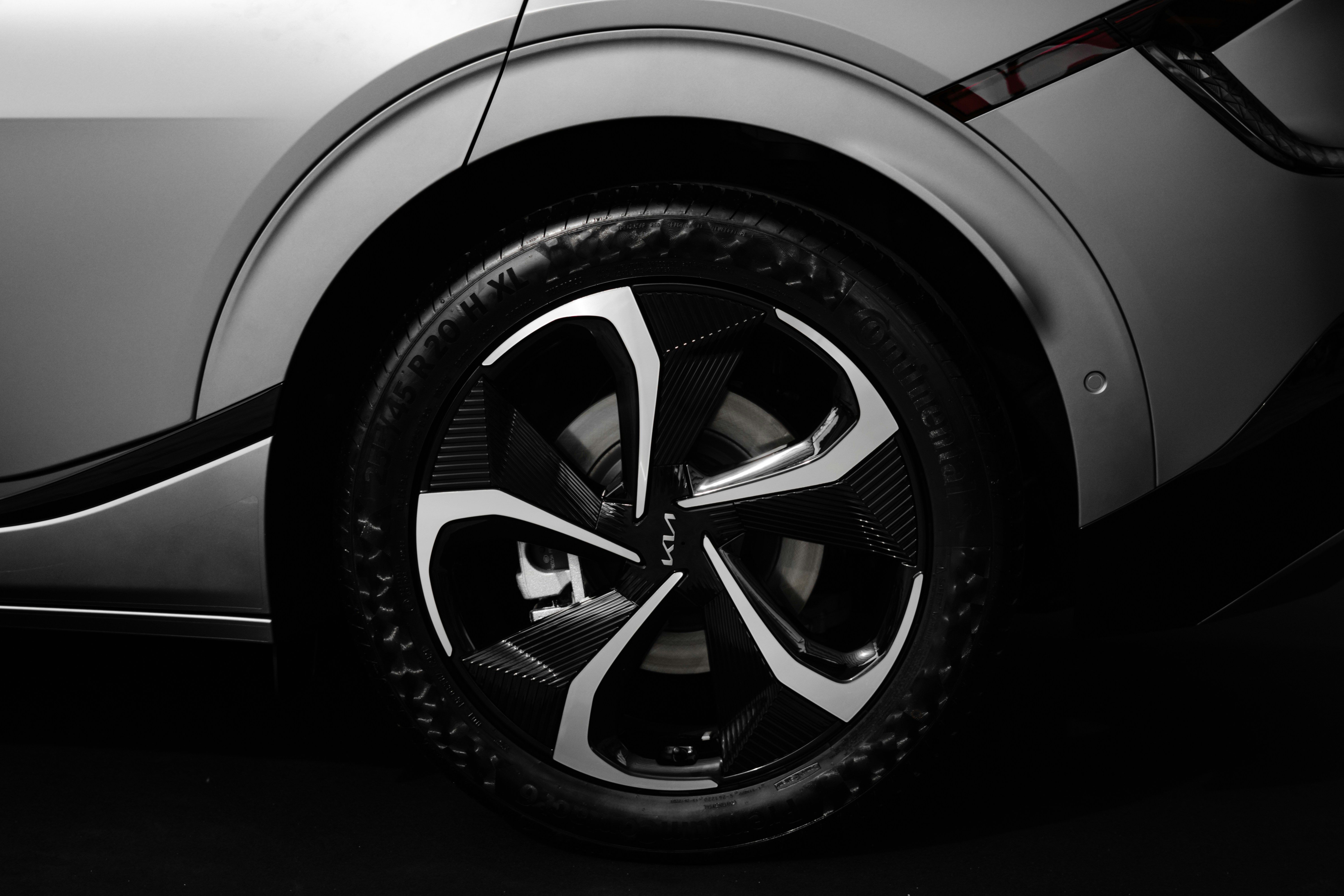
Do Your Wheels Matter? How Wheel Size and Style Affect EV Range
Wheel size and design can have a significant impact on an electric car’s real-world range—our data shows this can be as much as 23%. Larger alloy wheels may look better, but they’re typically heavier, less aerodynamic, and paired with stiffer tyres, all of which reduce efficiency. This article breaks down the technical reasons behind this—EV aerodynamics, rolling resistance, and rotational mass—and explains how aero wheels or covers can reclaim some of that lost range.

EV On-board Battery State of Health (SoH) - everything you need to know
We examine the limits of manufacturer-derived on-board SoH figures, their impact on the market, and set out a data-driven method for retailers and buyers to measure true battery health with confidence.

Electric Car Myths Busted: What UK Drivers Really Need to Know in 2025
Electric vehicles have come a long way—but the myths around them haven't. Whether it’s claims about limited range, slow charging, or pricing, these misconceptions keep cropping up and muddying the waters. In this post, we’re cutting through the noise to set the record straight on some of the most common EV myths in 2025, with facts and data that speak for themselves.

What is the Real-World Range for Electric Vehicles? Battery Health, Efficiency & Data Insights
Our analysis reveals, WLTP Electric Vehicle range estimates exceed real-world performance by 20-30%, with cold winters cutting range up to 40%. Driving style, wheel design, and terrain variations can reduce efficiency compared to lab tests. Our data-driven insights provide battery care tips, adjusted UK range forecasts for popular models, and practical strategies to reclaim 20%+ lost mileage – replacing manufacturer figures with realistic expectations for British roads, weather, and driving habits.

Navigating UK EV Incentives: What Buyers Need to Know in 2025
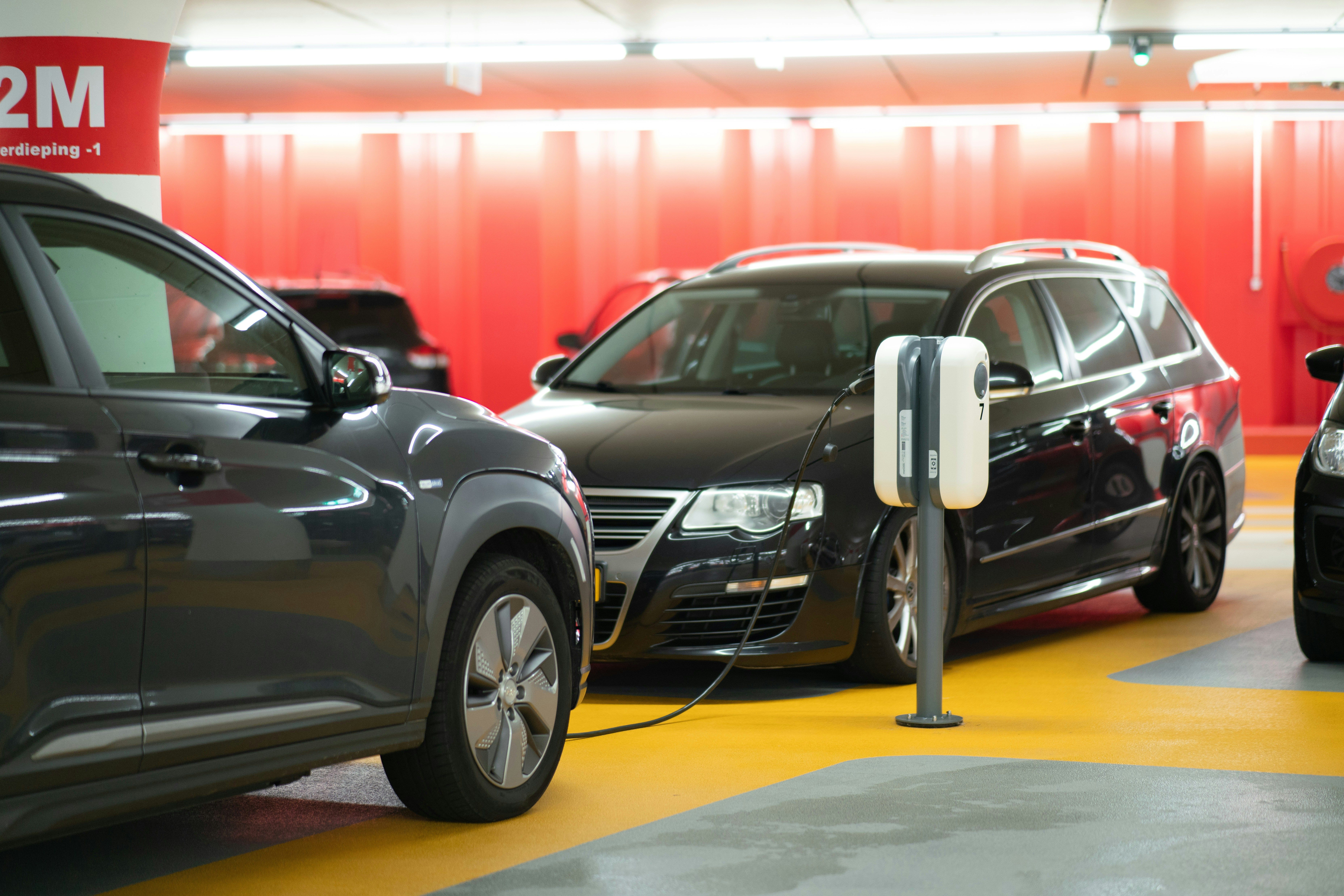
EV vs ICE: What to Include in Your Car Insurance Policy
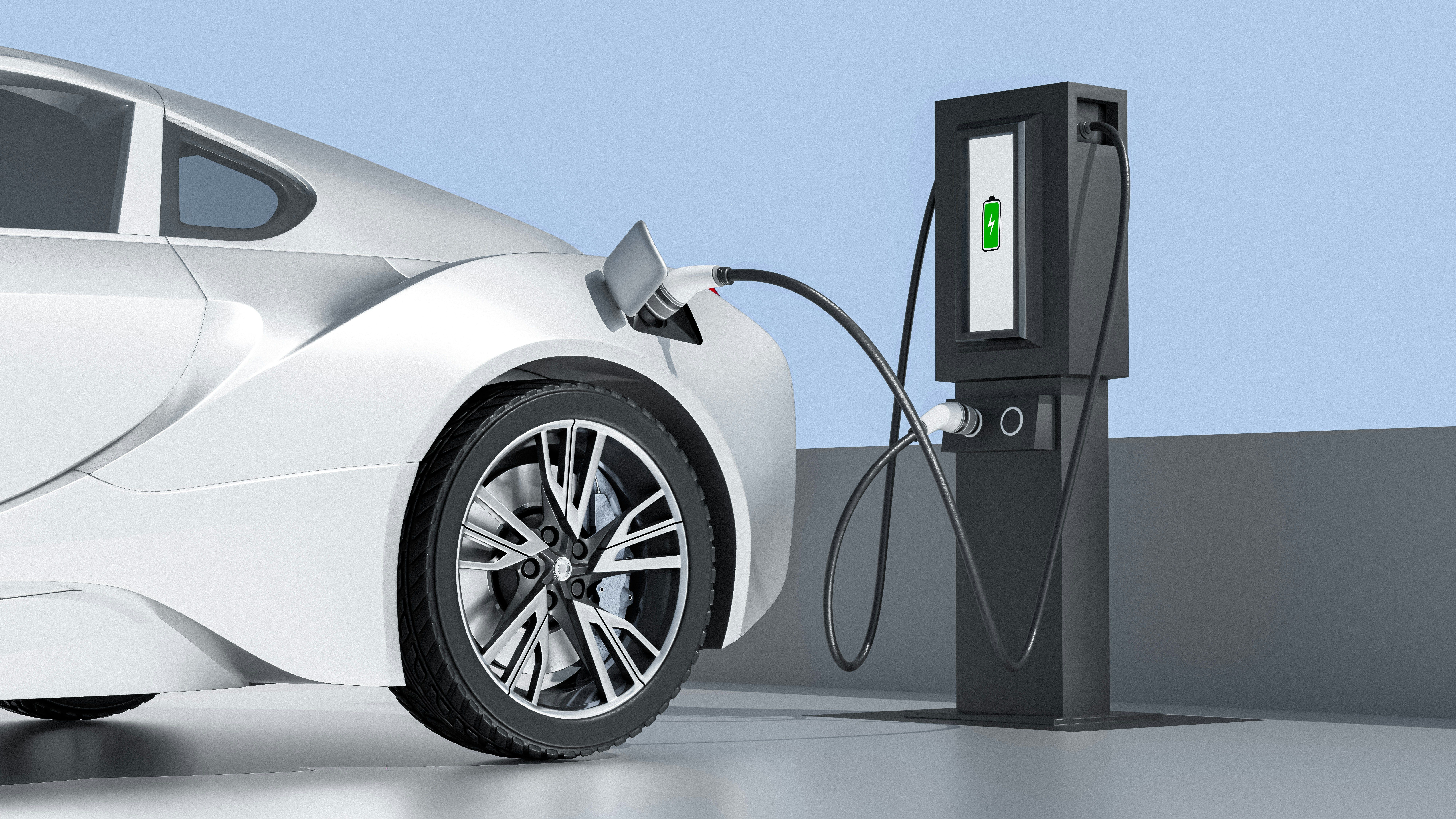
A Guide to Public Charging for EVs
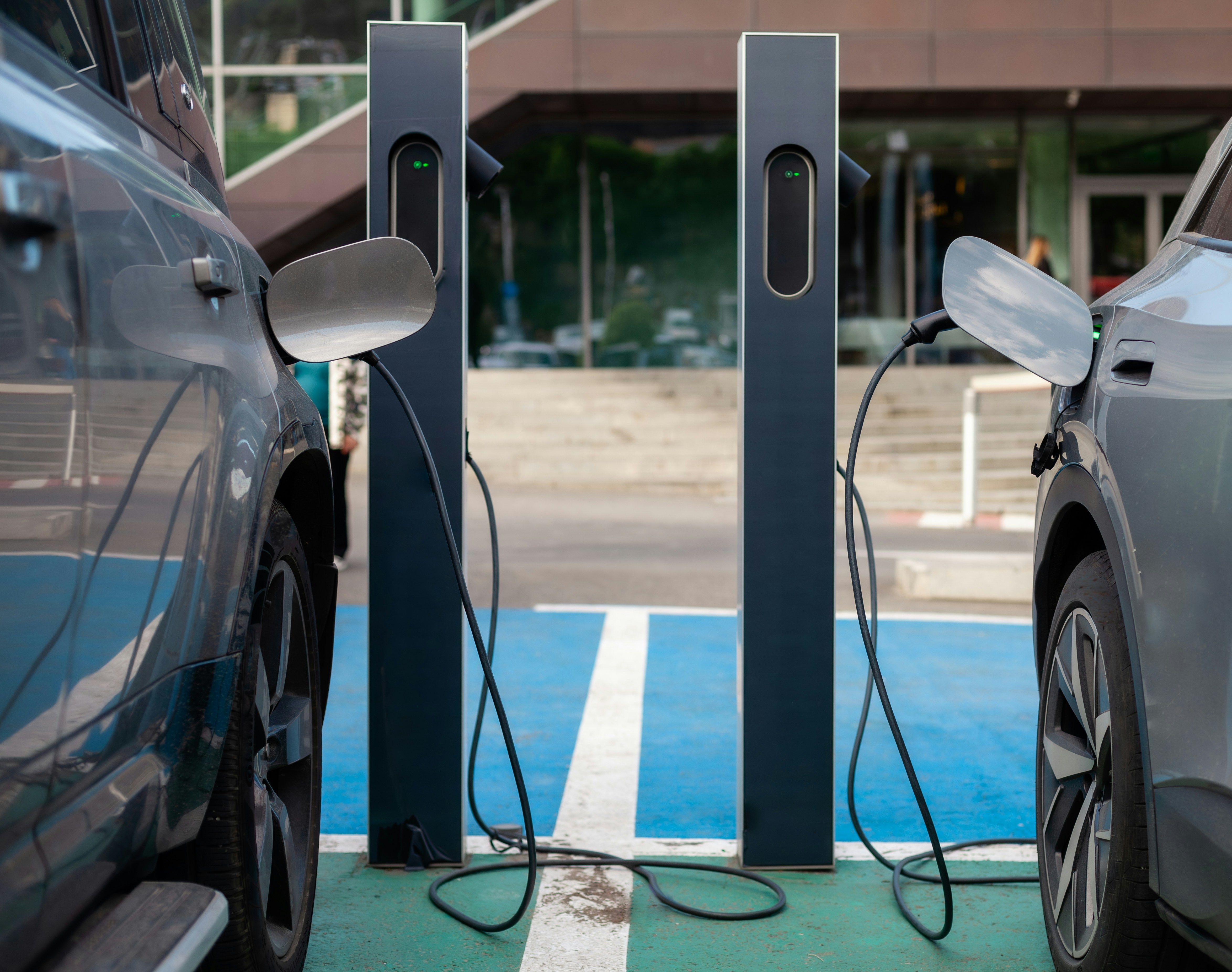
How long does an electric car take to charge?

How to Prepare for Home EV Charger Installation

Electric Vehicle MOT - All you Need to Know
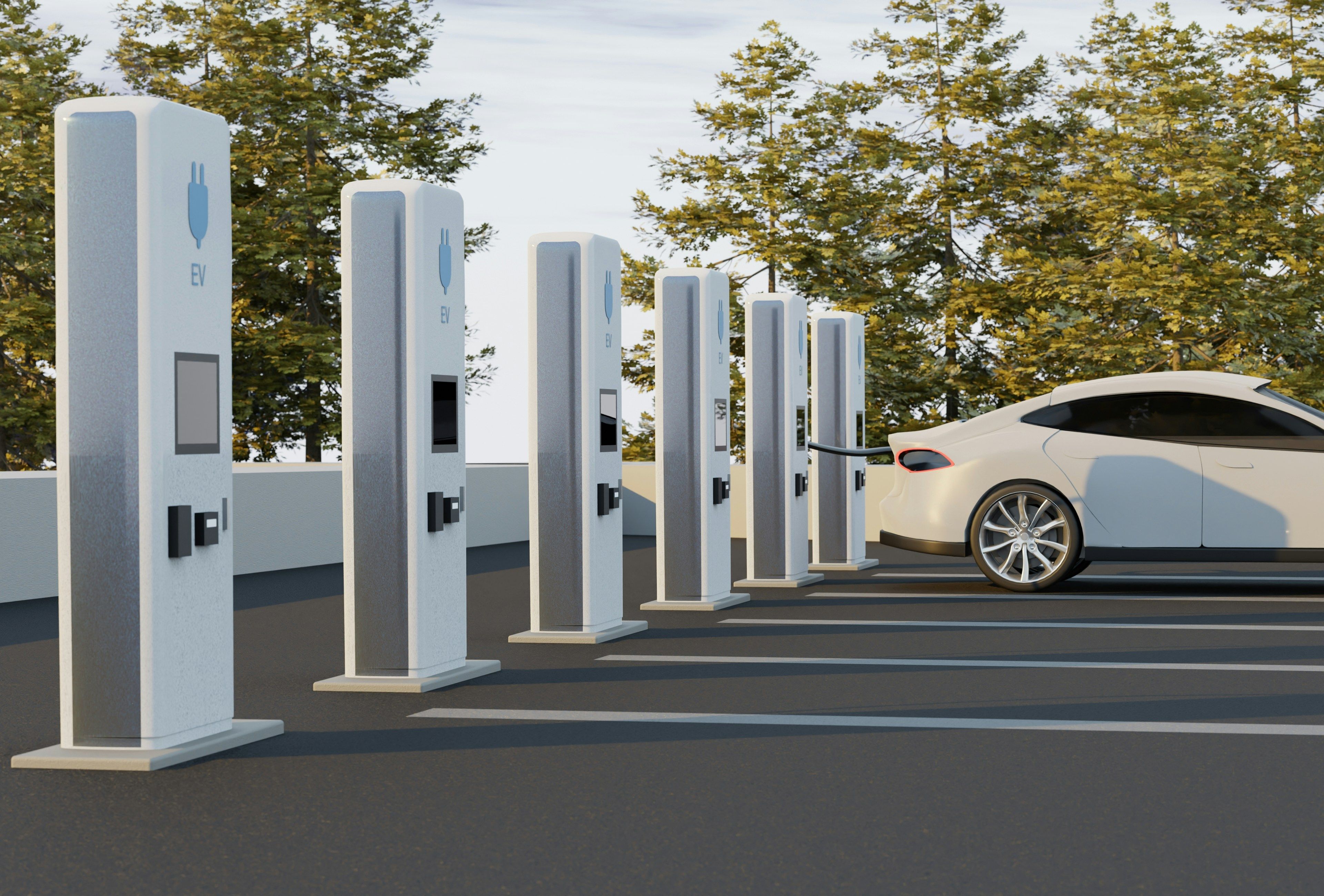
Where to Charge Your EV for Free: A Comprehensive Guide
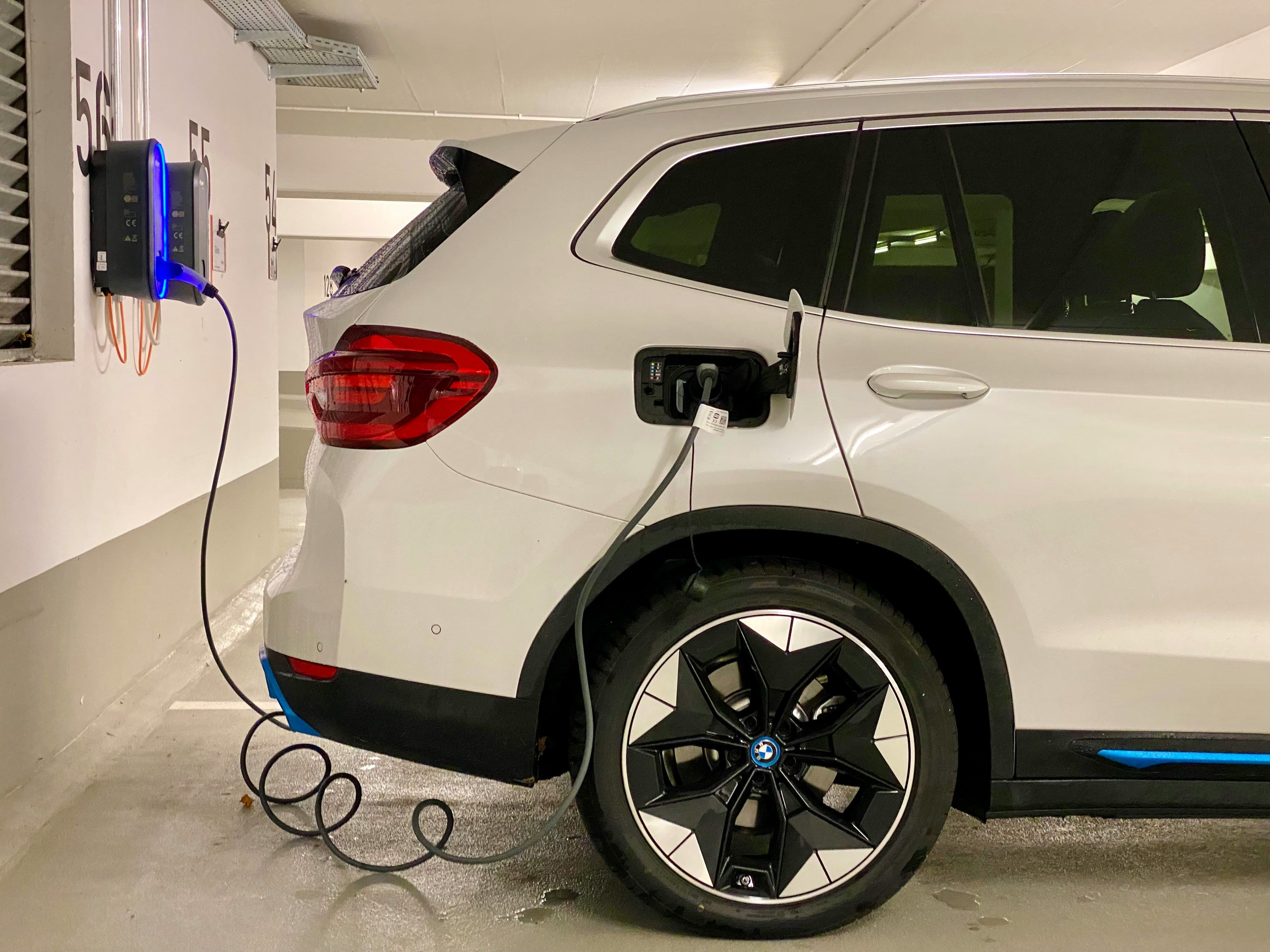
How much does it cost to charge an electric car?

London Congestion Charge Exemption Ends in 2025 – What EV Drivers Need to Know
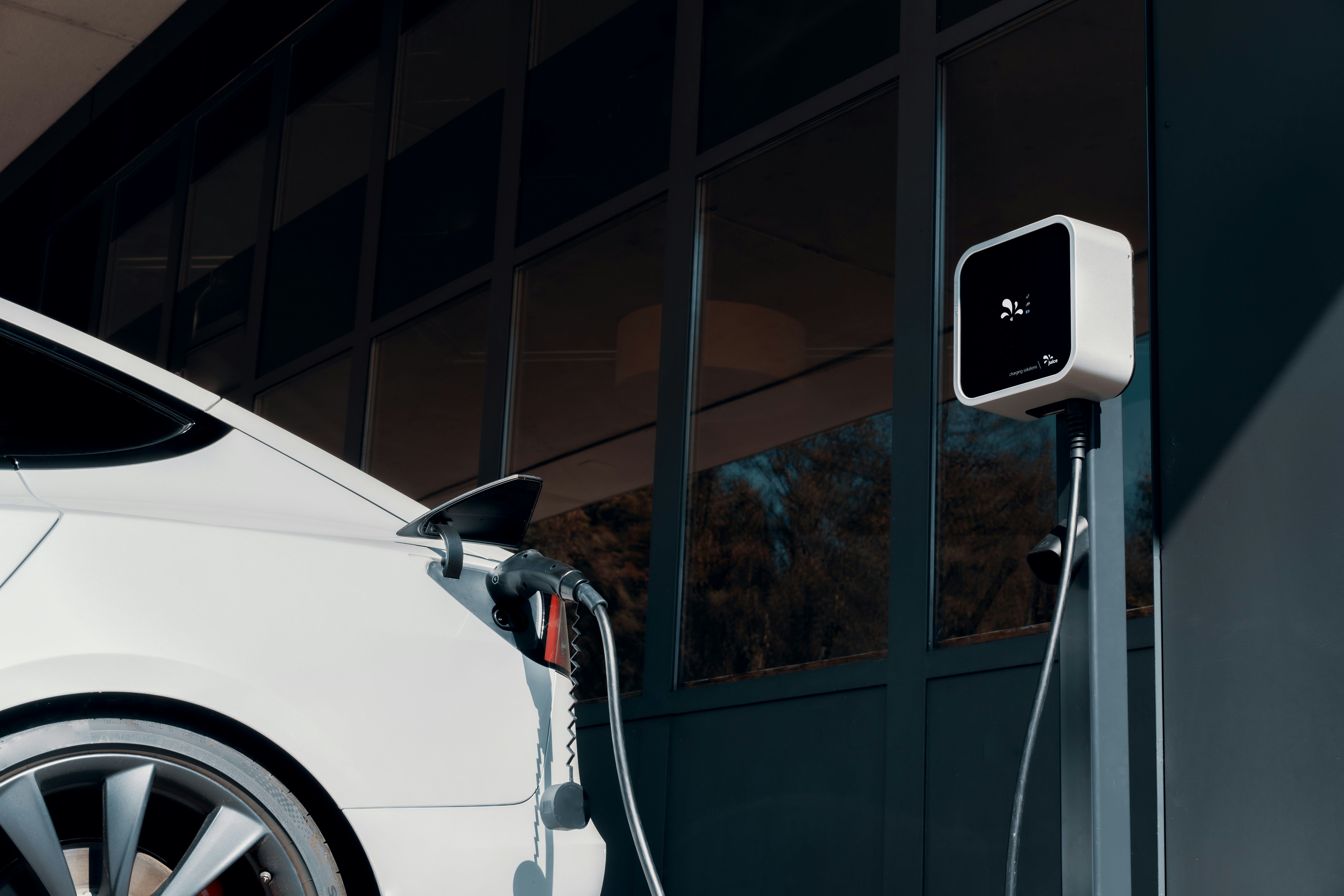
Why Is My Electric Car Battery Not Charging Properly? Complete Troubleshooting Guide
Struggling with battery charging problems in your electric vehicle? Our comprehensive troubleshooting guide explores why your EV might not be reaching a full charge and exploring practical solutions. Learn about battery management systems, the impact of degradation, equipment issues, and how environmental factors affect charging performance. Discover best practices for extending battery life, when to seek additional help, and get answers to common charging questions. Whether you're a new EV owner or a seasoned electric driver, this guide will help you understand and optimise your vehicle's charging capability.
Used Electric Vehicle Pre-Purchase Checklist 2025: What You Need to Know
Buying a used EV in 2025 can be a cost-effective and eco-friendly choice, but it requires careful evaluation of key factors such as battery health, range, service history, charging compatibility, and warranty coverage. This checklist provides essential insights into assessing a used EV’s condition, understanding potential costs such as battery leasing, and ensuring software updates are in place. Tools like ClearWatt’s EV Check Plus and Battery Health Testing can help buyers make informed decisions based on real-time data. By following this guide, you can confidently navigate the used EV market and find a vehicle that suits your needs and sustainability goals.
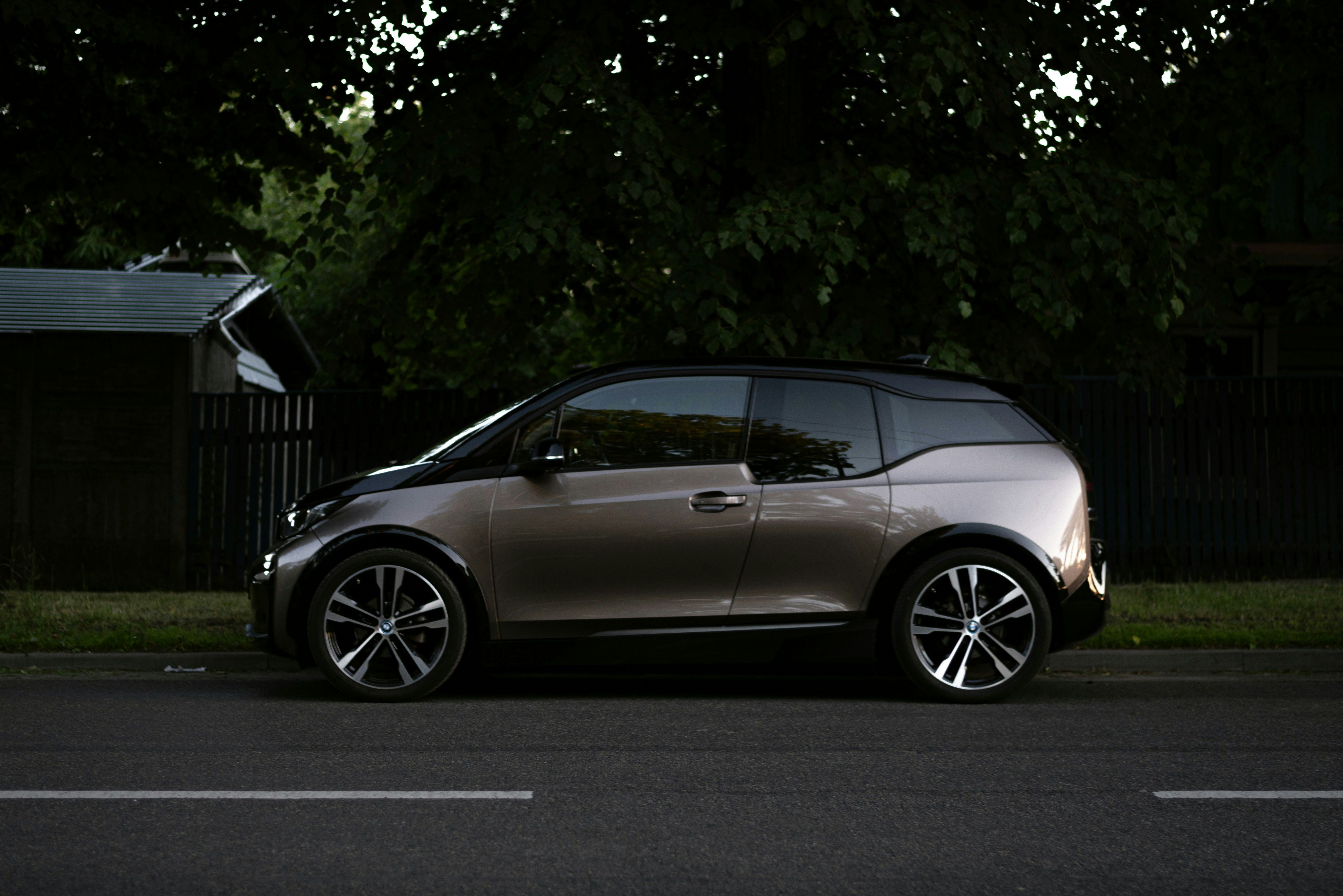
Understanding CAZ and ULEZ: Key Differences and What They Mean for You
With growing efforts to tackle air pollution, Clean Air Zones (CAZ) and Ultra Low Emission Zones (ULEZ) are becoming more widespread across the UK. But what do they mean for drivers? In this blog, we’ll explain the key differences, how these zones affect vehicle owners, and what you can do to avoid charges. Whether you’re a daily commuter, an EV owner, or considering an electric vehicle, this guide will help you understand the terms, navigate the rules and make informed choices.
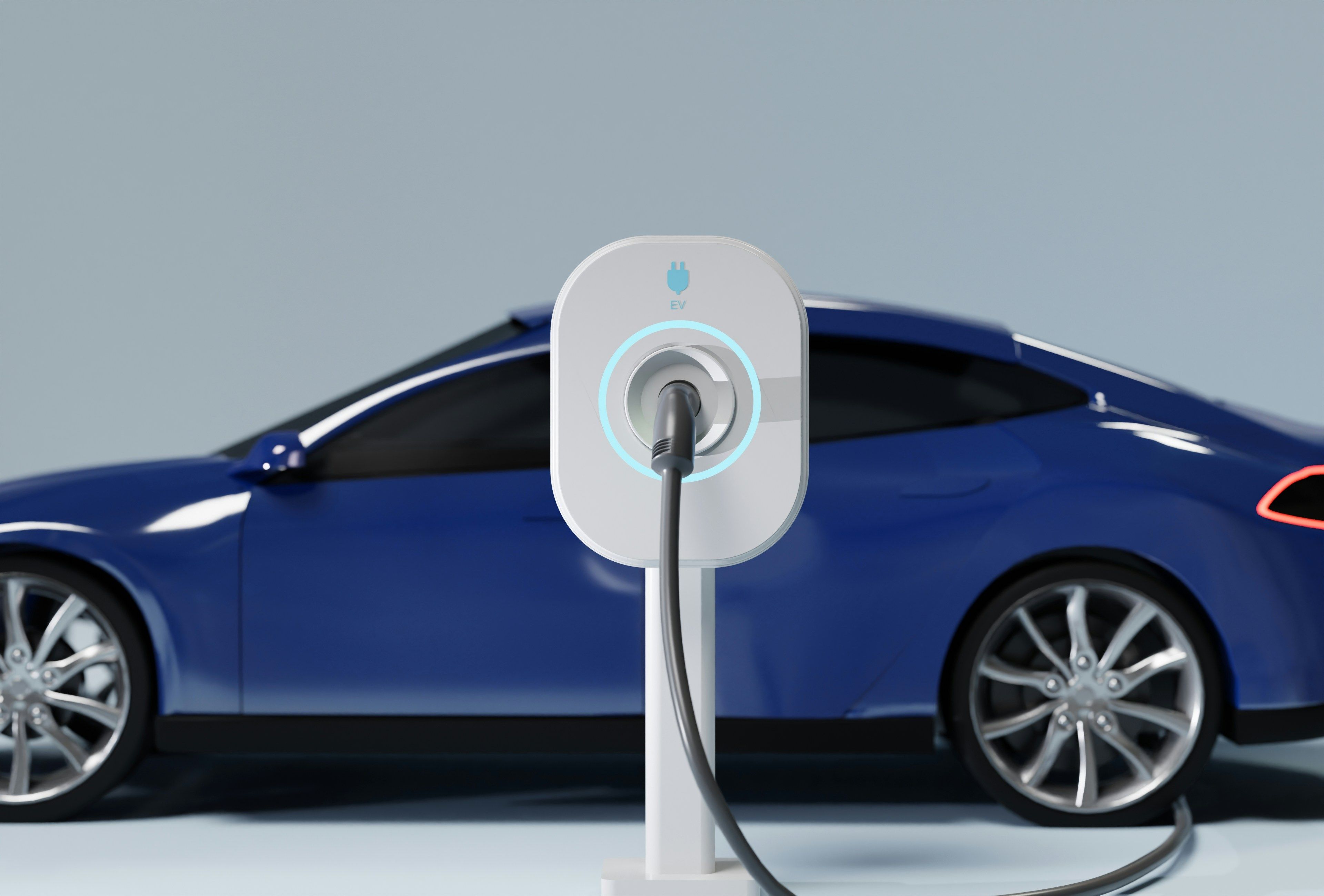
How Much Will Electric Car Road Tax Be in 2025? A Complete Guide
Curious about how much tax you'll pay on your electric vehicle in 2025? Major UK electric car tax changes are coming as the UK government ends EV tax exemptions, introducing new annual charges for all electric cars from April 2025. Whether you're buying new, driving a premium model, or own a used EV, these changes will impact your costs. Find out what to expect, how much you'll need to budget, and how to make the most of the transition.

Why do EV batteries last longer than smartphone batteries?
Have you ever thought about buying an electric car and got worried if your EV's battery would become unfunctional in two years or so? Here's your complete guide to the reasons why EV batteries last longer than smartphone batteries.
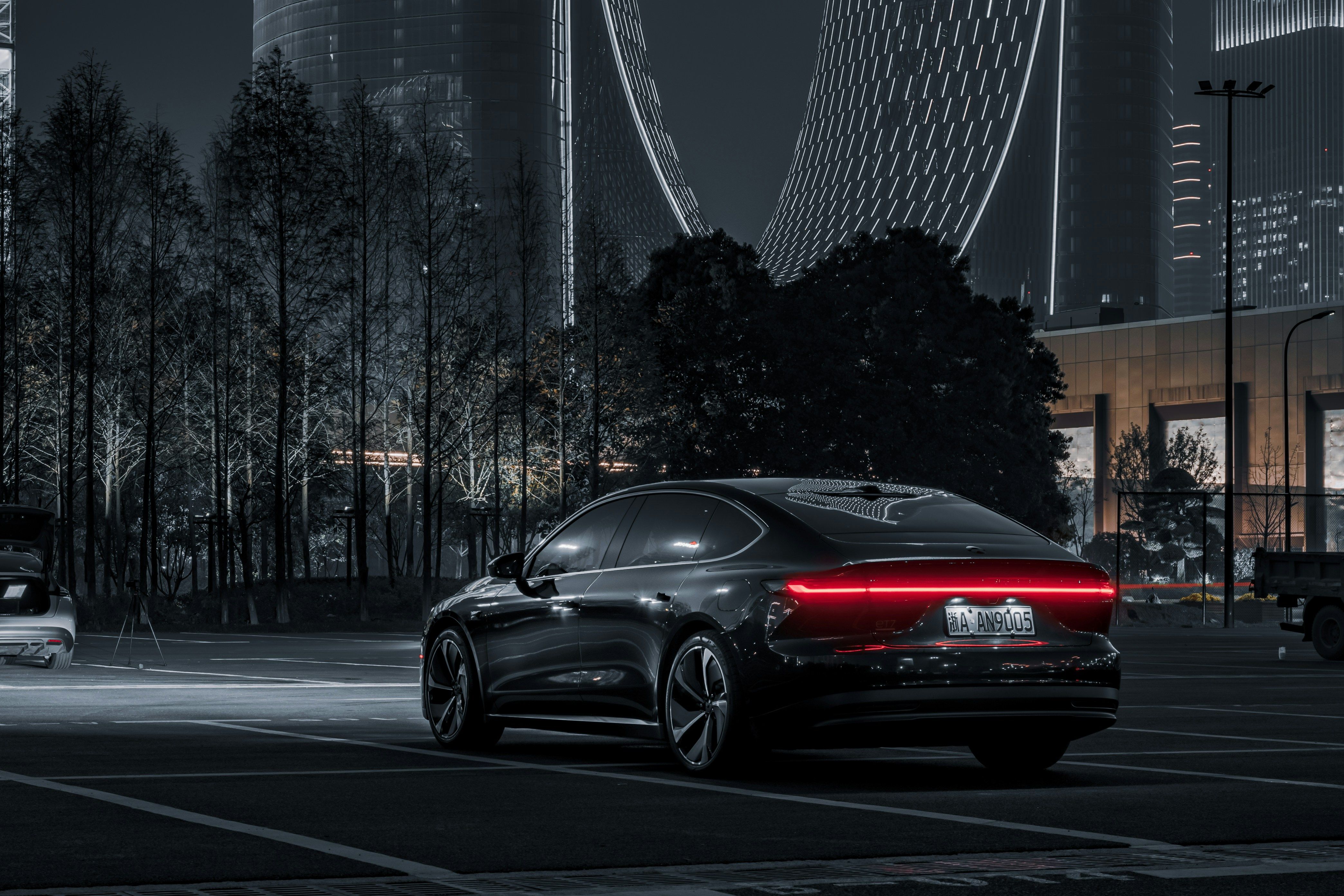
NIO battery swap set to arrive in the UK by 2025
This article explores the concept of battery swapping for electric vehicles (EVs), a method where depleted EV batteries are quickly exchanged for charged ones. It discusses the historical context, technological advancements, and the role of companies like NIO in promoting this technology across various global markets. Despite its potential to revolutionise EV charging, battery swapping faces significant challenges related to infrastructure costs, compatibility issues, and the need for widespread station availability.
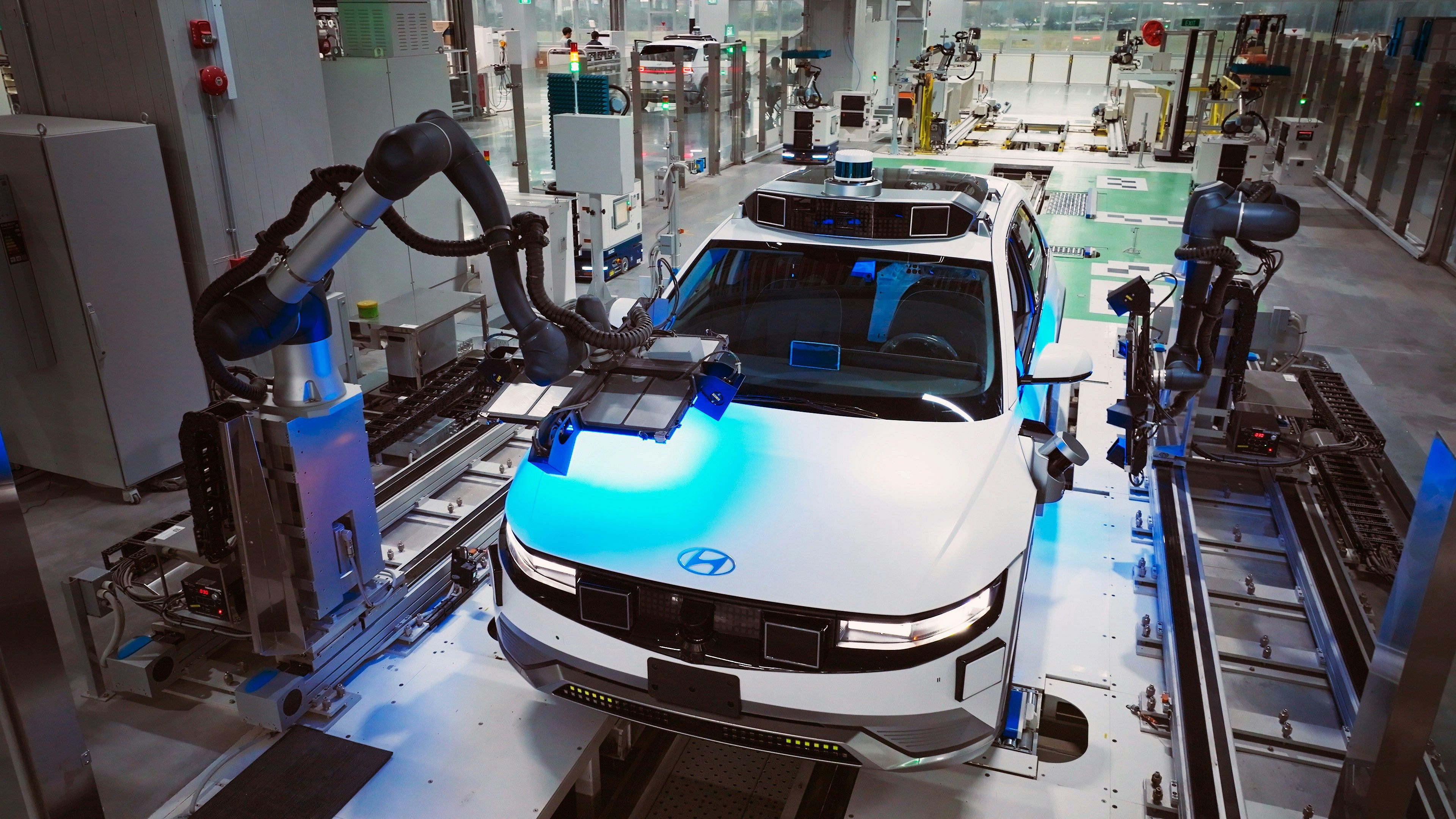
The Electric Car’s Resurgence: From Obscurity to Modernity
In the first episode of this series, we explored the dawn of electric cars from the initial surge in popularity in the late 1890s to the ascension of petrol powered cars in the early 1900s. Now, we turn to a later chapter of history: the electric vehicle’s resurgence as a mainstream contender in the automotive industry today.

The origins of electric cars, they're older than you think
Step back into the early 1900s, when early concepts of electric vehicles (EVs) began challenging carriages and gasoline engines in cities like London and New York. This piece explores an often-forgotten chapter of automotive history, highlighting the initial embrace and gradual overshadowing of electric mobility by the ascendance of gasoline-powered vehicles. Join us on a journey through the gas-lit streets of the past, where the electric car first came to life.
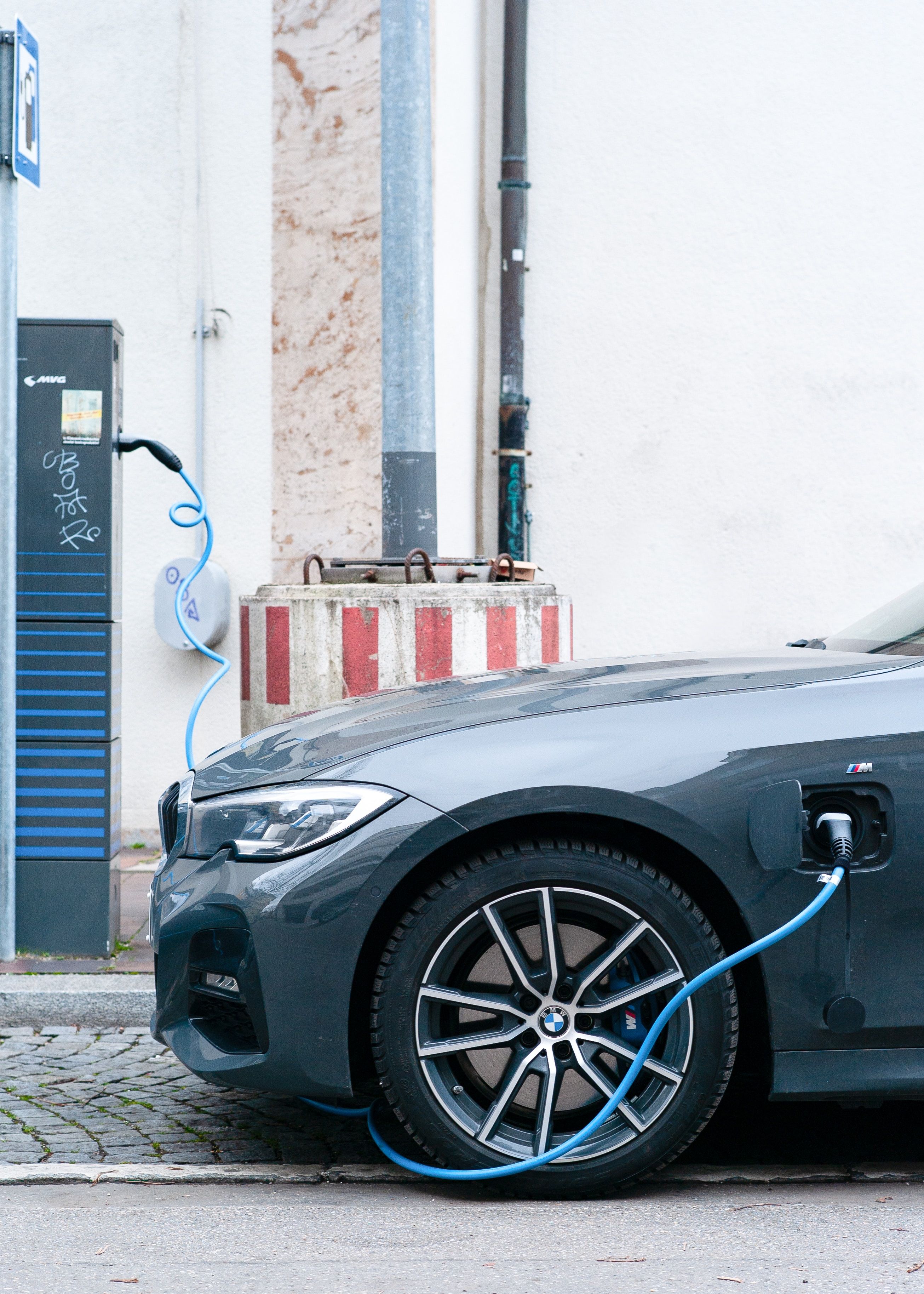
Navigating electric car grants in the UK: Incentives, loans, tax benefits
While the UK government focuses on expanding funding for the expansion of the public chargepoint network, there are still numerous support schemes available for both new and used electric cars that you can explore in this article.

The ultimate guide to salary sacrifice electric cars: maximise savings with used EVs
One of the best electric car lease deals in the UK is through electric car salary sacrifice. Explore the newest and most beneficial scheme in this article: salary sacrifice for used electric vehicles.

Electrifying Partnership: ClearWatt x Octopus EV Trial Launch
Announcing ClearWatt's pioneering partnership with Octopus Electric Vehicles to enhance EV battery health tracking and promote sustainable driving.